Photography and Imagery · Step 4 · 4 min read
What changes when the image is generated
A generated image looks like a photo and records nothing. What that changes for trust, for truth and for the work of a designer, where generated images are useful, and where they quietly mislead.
A photograph says "this was in front of a camera". A generated image says nothing of the kind, but it looks exactly as if it did. That's the whole change, and it's a big one. For decades people could treat a photo as a rough record of something real. A generator can produce that look in a minute, for anything, so the honesty that used to come from the camera now has to come from you.
What you'll be able to do after reading:
- Explain the difference between capturing and generating, in one sentence
- Say what the research found about how people judge generated faces
- Decide where a generated image is fine and where it misleads
- Treat a generated image as a design decision you're accountable for
1. Same look, different promise
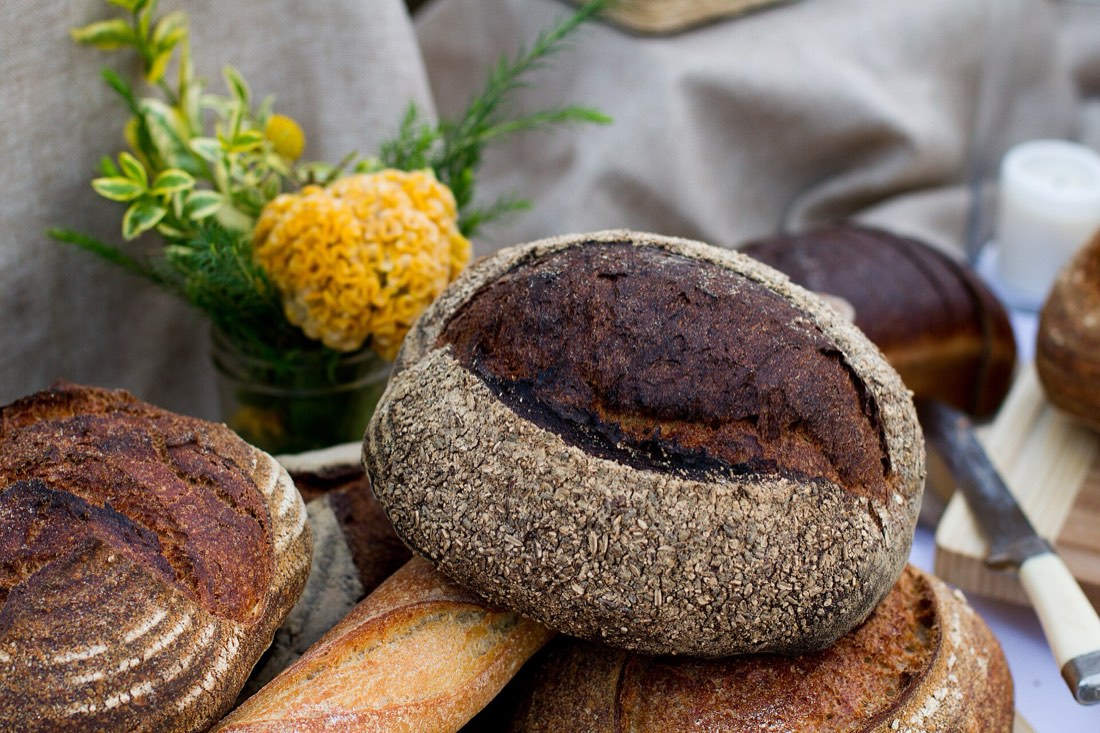 A: photographed
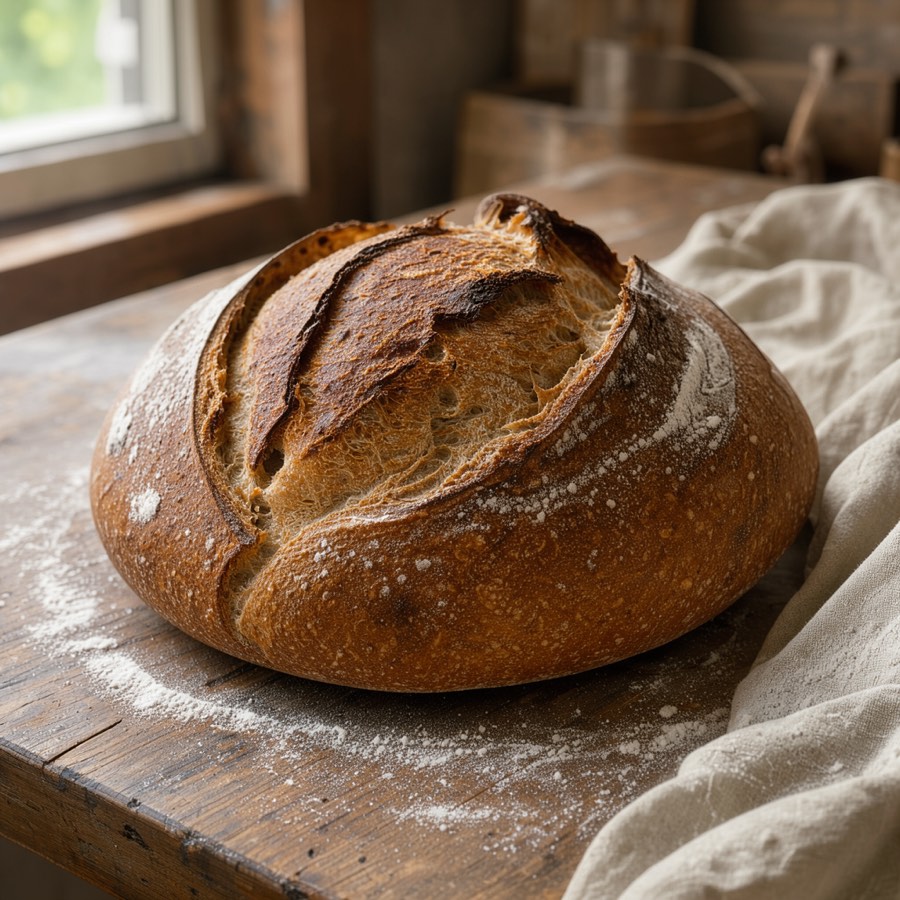 AI-generatedB: generated

One of these loaves was baked; the other was generated for this course on a laptop, from a two-line prompt. Without the labels, most people can't tell, and that's not a failure of attention. Generators learn the look of photographs from millions of photographs. What they can't learn is the one thing a photo promises: that this, here, existed.
In Photo, illustration or nothing, a photo promises "this is real" and an illustration "this is an idea". A generated image looks like the first and behaves like the second.
2. People can't tell, and they may trust it more
In a 2022 study, people couldn't reliably tell faces made by an image generator from photographs of real people. They also rated the generated faces as slightly more trustworthy (Nightingale and Farid, PNAS, 2022). Generators have improved a lot since.
Two consequences for product work:
- "It looks real" is not evidence. Neither you nor your users can check a generated image by looking at it.
- Trust can be borrowed falsely. A generated face on a support page or a review borrows trust from people who don't exist. That's the line not to cross.
3. Where generated images are fine
The rule from Library, shoot or generated still holds: choose from the job.
- Mood and atmosphere, where nobody reads the image as a record.
- Concepts and ideas, the work an illustration would do.
- Early prototypes and tests, to try a direction before paying for a shoot.
- Backgrounds and textures, where no one is looking for facts.
And where they mislead:
- Your product, which a generator has never seen.
- Your people, customers, staff, testimonials.
- Places, events and results: "our new shop", "the conference", "before and after".
- Anything people use to decide, like the size of a room or the colour of a sofa.
4. You're still the one choosing
A generator doesn't remove the designer's job; it moves it. You still write the brief (see The image brief and the shot list), choose from many options, check for bias (next lesson), keep a consistent look (see One look for the whole product) and make sure the result is honest. The only thing that got cheaper is making options.
If you want to learn the tools themselves, the AI for UX track covers them: AI for visual design: images and video, Generate images locally and Copyright and AI-generated assets.
5. Common mistakes
- Using a generated image where people will read it as a record of something real.
- A generated face on a review, a testimonial or a team page.
- Assuming that if it looks real, nobody will mind.
- Letting the generator choose: taking the first result instead of briefing and selecting.
6. Vocabulary
| Term | Meaning |
|---|---|
| Generated image | An image made by an AI model from a prompt or other images; it records no scene |
| Captured image | An image recorded by a camera from something that was really there |
| Prompt | The text instructions given to a generator |
| Synthetic media | Images, video or audio made or substantially changed by AI |
7. Try it (no tools needed)
- Show the two loaves in section 1 to three people, with the labels covered, and ask which one is real.
- Write down how sure each one was.
- Now list three images in a product you know that must never be generated, and why.
Reflection questions: What would it take for your users to trust a photo in your product today? Is that the same as five years ago?
8. If you already practise
- Add a line to your image style guide: where generated images are allowed, where they are banned, and how they're labelled.
- Record the tool, date and prompt of every generated image you ship, next to its source and licence fields.
- In reviews, ask "would anyone feel misled?" about every generated image, out loud.
Checklist
Learn more
- Nightingale and Farid, AI-synthesized faces are indistinguishable from real faces and more trustworthy (PNAS, 2022)
Books, courses and videos to go deeper
- On PhotographySusan SontagBook · Picador, 2001 edition (Amazon)
- Atlas of AIKate CrawfordBook · Yale University Press, 2021 (Amazon)
Book links go to Amazon. As an Amazon Associate I earn from qualifying purchases, at no extra cost to you.
Related
Bias in image generators · Labels and provenance · Image libraries and AI · AI for visual design: images and video